
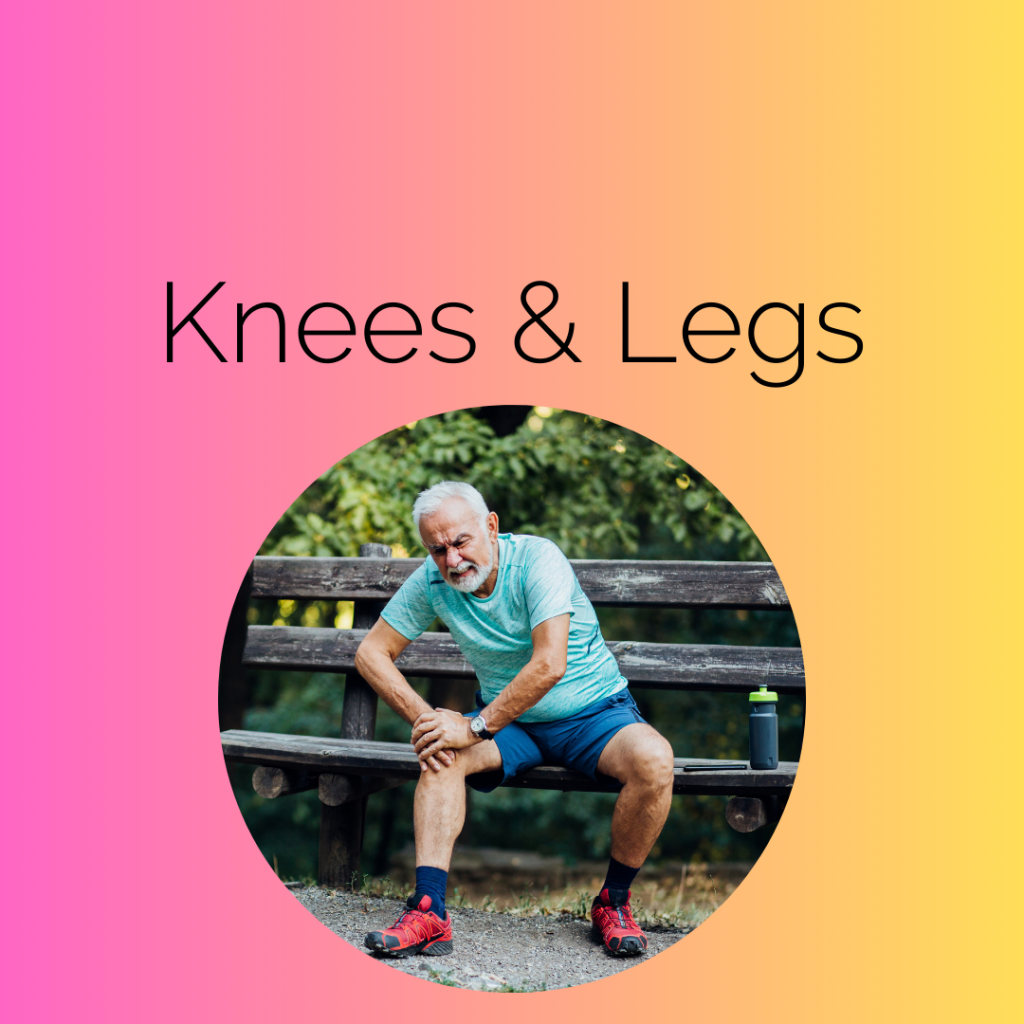
Pickleball is fast-paced, exciting, and one of the most accessible sports for players of all ages. But with the quick pivots, lunges, and bursts of speed it demands, it’s no surprise that knee injuries are among the most common issues players face.
Healthy knees are essential not just for dominating the pickleball court, but also for moving with confidence and ease in daily life. Whether you’re just starting out or playing multiple times a week, it’s crucial to care for your knees now to prevent injuries later.
Let’s dive into practical, powerful ways to maintain healthy knees — including why yoga should become a key part of your pickleball fitness routine.
Why Knee Health Matters
The knee is one of the largest and most complex joints in the body. It supports nearly every movement you make — walking, squatting, jumping, climbing stairs, and of course, pivoting for a perfect shot on the pickleball court.
However, because of the tremendous forces knees must absorb, they’re prone to injury. Common pickleball-related knee issues include:
- Sprains (overstretched or torn ligaments)
- Strains (overworked muscles or tendons)
- Tendonitis (especially patellar tendonitis)
- Meniscus tears (from twisting injuries)
- Arthritis flare-ups (from repetitive impact)
Maintaining strong, flexible knees is the best defense against these problems — and it starts with understanding what puts your knees at risk.
Common Causes of Knee Problems in Pickleball
1. Overload
Frequent quick starts, stops, and jumps can overload knee structures, especially if muscles are fatigued or unbalanced.
2. Poor Alignment
If your knees don’t track properly over your feet when you move, you may unknowingly stress ligaments and cartilage.
Common culprits:
- Flat feet or poor footwear
- Muscle imbalances between the thighs (quadriceps vs hamstrings)
- Weak hip muscles
- Old ankle injuries that change movement patterns
3. Inadequate Warm-Up or Flexibility
Jumping straight into high-intensity play without warming up or maintaining flexibility tightens the muscles and reduces joint lubrication, making injury more likely.
8 Smart Strategies for Knee Health (On and Off the Court)
1. Get Moving – and Stay Moving
Joints are designed to move! Regular activity keeps your knees lubricated, strengthens supporting muscles, and maintains healthy cartilage.
Pick exercises that build strength, flexibility, and cardiovascular fitness without overloading your knees. A balanced weekly routine might include:
- Low-impact cardio (brisk walking, swimming, cycling)
- Strength training (bodyweight squats, resistance bands)
- Yoga (to stretch tight areas and improve alignment)
Tip: Yoga enhances proprioception (your sense of where your body is in space), improving balance and body awareness — two vital elements for pickleball agility and knee safety.
2. Warm Up Before Play
Never skip your warm-up!
Spend at least 5–10 minutes doing light cardio (like walking or cycling) before pickleball. Then perform dynamic stretches:
- Leg swings (forward and side-to-side)
- Gentle squats (focusing on good form)
- High-knees march to activate hip flexors
Yoga bonus: A few rounds of Sun Salutations are an excellent dynamic warm-up that also opens the hips and hamstrings.
3. Strengthen Supporting Muscles
Strong muscles take pressure off your knees. Focus on:
- Quadriceps (front of the thigh) to stabilize the kneecap
- Hamstrings (back of the thigh) for joint balance
- Glutes (hips and buttocks) to control knee alignment
- Core muscles to maintain good posture
Sample Knee-Strengthening Routine:
- Bodyweight squats (2–3 sets of 10)
- Step-ups onto a sturdy platform
- Glute bridges
- Standing hamstring curls (with or without resistance bands)
Yoga bonus: Poses like Chair Pose (Utkatasana) and Warrior II (Virabhadrasana II) gently build thigh and hip strength critical for pickleball.
4. Maintain a Healthy Weight
Every extra pound you carry puts roughly four extra pounds of force through your knees with every step. Even small weight reductions make a big difference.
How to stay light and strong:
- Eat a nutrient-rich, balanced diet
- Stay active most days of the week
- Stay hydrated to support joint health
Yoga bonus: Mindful eating practices often come naturally alongside a regular yoga practice, supporting healthy weight management.
5. Protect Your Knees During Play
Form matters!
- Bend your knees during rapid direction changes.
- Land softly after jumps to absorb impact.
- Keep your knees tracking over your toes during lunges and squats.
If you feel knee instability, consider supportive braces — but remember, strengthening is your best protection long-term.
Yoga bonus: Learning proper alignment in poses trains you to move with better mechanics on the court, preventing “valgus collapse” (knees caving inward).
6. Stretch Regularly for Flexibility
Flexible muscles around the knees help prevent strains and tears. Focus on:
- Hamstrings
- Quadriceps
- Hip flexors
- Calves
Simple post-play routine:
- Standing hamstring stretch
- Quad stretch pulling heel toward the glutes
- Calf stretch against a wall
Yoga bonus: Regular practice includes deep, balanced stretching. Poses like Low Lunge (Anjaneyasana) and Reclining Hand-to-Big-Toe Pose (Supta Padangusthasana) are perfect for targeting the legs after pickleball.
7. Choose the Right Shoes
Worn-out, unsupportive shoes can spell disaster for your knees.
Look for:
- Good arch support
- Cushioned soles
- Non-slip tread
Avoid:
- High heels
- Overly rigid or unsupportive shoes
Replace athletic shoes every 300–500 miles or when the tread wears down unevenly.
Yoga bonus: Yoga strengthens the small stabilizing muscles of the feet and ankles, complementing good footwear choices.
8. Listen to Your Body
Pain isn’t normal. If you experience:
- Sharp knee pain
- Swelling
- Clicking or catching sensations
- Instability or giving out
…pause and seek help from a physical therapist or sports medicine professional. Early intervention prevents minor issues from becoming major injuries.
Yoga bonus: Yoga teaches mindfulness, helping you tune into early warning signs of tightness, weakness, or imbalance before injury strikes.
Yoga for Pickleball Players: Your Secret Weapon for Knee Health
Adding yoga to your routine isn’t just about flexibility — it strengthens, balances, and aligns your entire body. Here’s why every pickleball player should consider regular yoga practice:
✅ Stronger muscles around the knees
✅ Better balance and agility (preventing falls)
✅ Increased flexibility to reduce strain
✅ Improved posture and alignment during play
✅ Mindful body awareness to catch bad habits early
✅ Reduced inflammation and faster recovery after games
Suggested Yoga Poses for Knee Health:
- Chair Pose (Utkatasana) – builds quad strength
- Warrior II (Virabhadrasana II) – strengthens thighs, opens hips
- Bridge Pose (Setu Bandha Sarvangasana) – activates glutes
- Reclining Hand-to-Big-Toe Pose (Supta Padangusthasana) – stretches hamstrings
- Low Lunge (Anjaneyasana) – stretches hip flexors
- Tree Pose (Vrksasana) – builds balance and ankle strength
Tip: Aim for 2–3 short yoga sessions per week (20–30 minutes) to start seeing benefits — perfect for a rest day or warm-up before pickleball!
Final Thoughts
You love pickleball — and with strong, healthy knees, you can keep enjoying it for years to come.
Building strength, improving flexibility, using proper form, listening to your body, and incorporating yoga into your weekly routine will not only enhance your game but protect your knees both now and into the future.
Stay smart. Stay strong. Stay in the game.
Susan Shepherd is the owner of Hummingbird Yoga in Victoria, B.C. Susan has been teaching yoga since 2014 and has trained in Canada and India. With more than 1,000 hours of teaching time, Susan enjoys sharing her yoga practices with older beginner and intermediate students. She offers Hatha and Vinyasa slow flow classes as she believes MOTION helps our EMOTIONS. She encourages students to go at their own pace and offers lots of options so that students can make the postures their own.
Website: https://hummingbird-yoga.ca/
Email: susan@hummingbird-yoga.ca